Exploring Regulatory Frameworks Governing Free Credit Usage Across Diverse Gaming Platforms
Bianca Klein · Sep 21, 2026
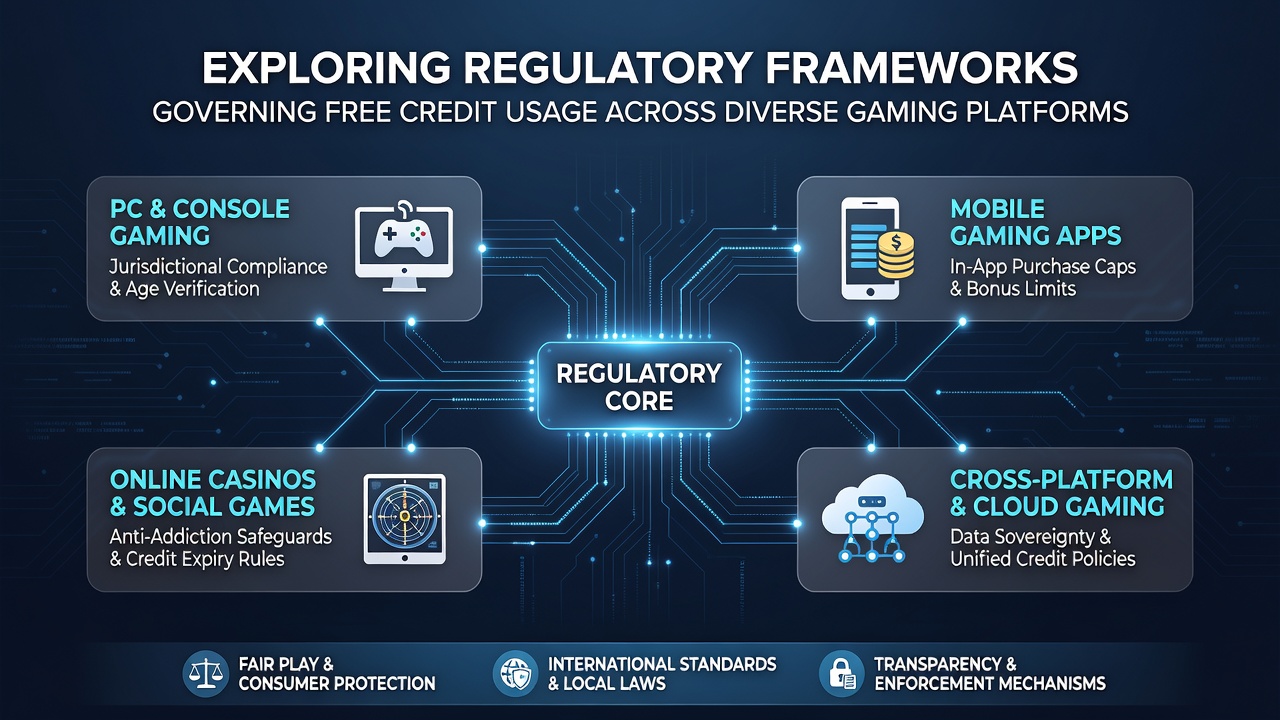
Exploring Regulatory Frameworks Governing Free Credit Usage Across Diverse Gaming Platforms
Regulatory frameworks for free credit usage in gaming platforms operate through layered rules that differ by jurisdiction, platform type, and credit classification, and observers note how these systems balance consumer protection with industry operations across online casinos, mobile applications, and integrated land-based venues. Free credits, often issued as bonuses or promotional incentives, fall under specific oversight that requires operators to maintain transparency in allocation, wagering conditions, and redemption processes.
Core Elements of Free Credit Regulation
Authorities define free credits through categories such as no-deposit bonuses, match deposits, and loyalty rewards, each carrying distinct compliance obligations that include clear disclosure of terms and independent auditing of payout ratios. Data from industry reports shows that many jurisdictions mandate minimum playthrough requirements before withdrawal eligibility, while others impose caps on maximum winnings derived from such credits to prevent excessive risk exposure for players.
Operators must integrate these rules into platform software from the outset, and experts highlight how automated tracking systems verify compliance in real time across diverse user bases. In regions where digital gaming has expanded rapidly, regulators require periodic reporting on credit distribution volumes, which helps identify patterns that might indicate unfair practices or system vulnerabilities.
Regional Variations in Oversight Mechanisms
North American frameworks, particularly in state-licensed markets, emphasize player fund segregation and anti-money laundering protocols tied directly to free credit transactions, whereas European approaches often prioritize standardized consumer information standards that apply uniformly across member states. Australian regulations focus on harm minimization measures, requiring operators to offer self-exclusion tools alongside credit usage tracking, and Canadian provincial systems incorporate similar safeguards through centralized licensing bodies.
Cross-border platforms face additional complexity when serving users from multiple territories, and research indicates that agreements between regulators facilitate data sharing on credit-related disputes and verification processes. One study revealed that platforms operating in multi-jurisdictional networks adjust credit allocation algorithms based on local rules to maintain consistent compliance without disrupting user experience.

Platform-Specific Compliance Challenges
Online table game networks and slot ecosystems handle free credits differently from social gaming environments, and those who've examined these distinctions find that real-money platforms typically face stricter auditing standards compared to free-to-play models that monetize through in-app purchases. Mobile applications add another layer since app store policies intersect with gaming regulations, requiring developers to embed age verification and spending limit features that cover credit usage.
Land-based venues transitioning to hybrid digital systems must align physical promotions with online credit rules, and figures reveal growing coordination between venue operators and state regulators to standardize reporting formats. In September 2026 several jurisdictions plan to implement updated reporting templates that capture granular data on free credit redemption rates across both physical and virtual channels.
Enforcement and Reporting Practices
Enforcement relies on a combination of routine audits, player complaints, and algorithmic monitoring tools that flag anomalies in credit distribution patterns. Trade associations compile aggregated statistics that regulators review during license renewals, and evidence suggests these collaborative efforts help maintain consistent standards without overburdening smaller operators.
Academic analyses of regulatory evolution demonstrate how frameworks adapt to technological shifts such as cryptocurrency integration and instant withdrawal options, both of which affect how free credits convert into playable balances. Platforms that fail to meet disclosure requirements encounter license sanctions ranging from temporary suspensions to permanent revocation depending on violation severity.
Conclusion
Regulatory frameworks governing free credit usage continue to evolve through coordinated efforts among government agencies, industry groups, and research institutions that monitor outcomes across diverse gaming environments. These structures emphasize verifiable compliance, transparent terms, and cross-platform consistency while accommodating regional priorities that range from consumer safeguards to revenue oversight. Data collected through established reporting channels supports ongoing refinements that address emerging platform types and credit formats without disrupting established operational models.